This is the third of nine short historical reminiscences to mark the 30th anniversary of the Homer Foundation, Alaska’s first community foundation. This series was produced by The Foundation and written by former board member Tom Kizzia.
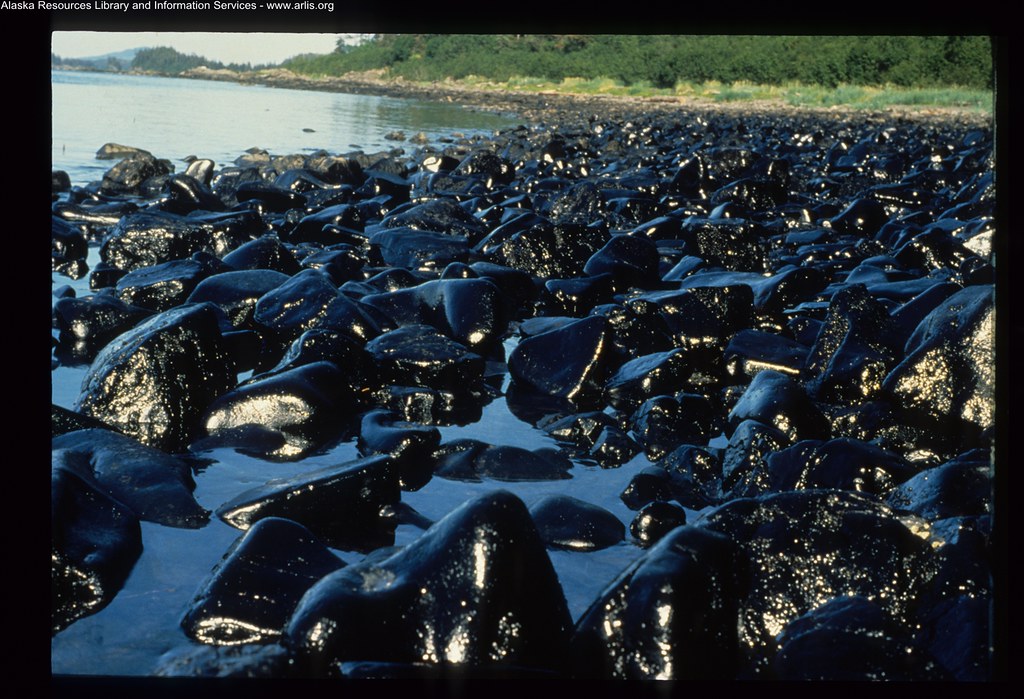
The birth of the Homer Foundation thirty years ago was pushed along in important ways by the wreck of the Exxon Valdez oil tanker.
The massive tanker spill in March, 1989, became a Homer problem as crude oil flowed out of Prince William Sound and was pushed by currents toward Cook Inlet and Kodiak. For weeks, goopy brown “mousse” smeared the outer Kenai Peninsula coast and hovered off Kennedy Entrance, as Homer scrambled to build booms and send out cleanup boats. Commercial fishing was shut down. As in other coastal communities, it was a summer of terrible stress and anxiety — though in the end, nothing more than tarballs washed up on the beaches of the Homer Spit.
The next year, as Ken Castner and Steve Yoshida started drawing up paperwork for Alaska’s first community foundation, they considered the financial implications of the oil spill.
A jury in the civil lawsuit against Exxon found the oil company liable for punitive damages worth $5 billion. Legally, that money would not go to communities (the state had its own separate claims settlement) but to anyone financially harmed by the spill. Mainly that mean commercial salmon fishermen. Billions of dollars in punitive damages, split among salmon permit holders, was going to mean Alaska’s coastal towns would soon be bursting with new millionaires. By one estimate at the time, several hundred million dollars might find its way just to Homer.
The Homer Foundation would give those new “spillionaires” a way to share some of the unexpected bounty with the rest of the community, by funding local nonprofits.
In the end, it didn’t work out that way. Exxon’s appeals dragged on for years. In 1999, a decade after the spill, the foundation and the city of Homer developed a plan for spending some of the dreamed-of money on a new library and an indoor ice rink and scholarships. But when the isue was finally settled in 2008 by the U.S. Supreme Court, the damages claim against Exxon was reduced to one-tenth of the original. Little of the money ever trickled from the plaintiffs’ bank accounts into the community nonprofits. By that time, though, the Homer Foundation had been up and running for nearly two decades, and had found a way to stand on its own.

The Homer Foundation awarded 25 scholarships totaling $77,000 to local students this year through donor-supported endowed funds. Since 2000, the program has awarded more than $573,000 in scholarships, continuing to support students across the southern Kenai Peninsula in pursuing their educational and career goals.

Students in the Youth Advisory Committee (YAC) program reviewed nonprofit applications and awarded $20,000 to local organizations supporting food security, housing, and early childhood services on the southern Kenai Peninsula. Funded by Robert and Meon Purcell, the program helps build youth leadership and community awareness.

We thank Ken Taylor for his dedicated service on the Board of Trustees. His thoughtful leadership and deep commitment to the community made a lasting impact.
.jpg)
A new fund at the Homer Foundation is supporting Snomads’ work to keep local trails safe, accessible, and well-maintained for all users, now and into the future.

A $50,000 grant to the Homer Cycling Club is expanding the Eastland Trails system, boosting access to outdoor recreation and investing in the community’s future.

The Daniel Bunker Memorial Fund honors a life of service and generosity by supporting projects that bring people together, encourage active living, and strengthen community connections.